Resuscitation is a team sport performed under pressure. Clinics that handle urgent care, family medicine with walk-in capacity, or preadmission testing all meet cardiac arrests at some point, often with lean staffing and limited space. When an arrest happens, the quality of the first three minutes can dictate the next thirty. That is what makes the fidelity of your training tools less of a luxury and more of a safety investment. High-fidelity CPR manikins, paired with clear performance data, turn practice from a box-checking exercise into a measurable improvement program.
Canada’s training landscape is unique. Clinics navigate Heart and Stroke Foundation guidelines, bilingual teams in many regions, complex provincial privacy rules, and logistics shaped by geography. Choosing the right medical simulation equipment Canada wide, then using it in a way that actually changes behaviour on the floor, demands judgment. The good news is that the data modern manikins generate can translate directly into better compressions, fewer pauses, safer ventilations, and more confident teams.
Why data beats gut feel during CPR training
Most teams already run mock codes or BLS refreshers. The limiter is not motivation, it is measurement. Without objective data, debriefs rely on impressions: “I think the rate was fast,” or “That bagging looked a bit much.” A high-fidelity torso that offers compression rate, depth, recoil, and chest compression fraction gives you something firmer: that rate averaged 132 per minute, the depth hovered at 4.2 cm, and the hands migrated toward the xiphoid twice. Now you can coach with precision and track improvement.
Two patterns show up repeatedly in clinics that move from basic foam torsos to feedback-enabled platforms. First, compression rates drift up under stress. Second, ventilations overshoot tidal volume even when the provider swears they are gentle. When staff see their numbers in real time, the correction happens faster. Add a short debrief that correlates those numbers to clinical outcomes, and teams start owning the standards instead of treating them like test answers.
What counts as high-fidelity CPR manikin data
High fidelity does not mean complexity for its own sake. It means the manikin captures and displays the variables that drive outcomes, then presents them in a way that coaches can use in the moment. For CPR, the core signals are simple enough to name, but hard to self-assess while you are sweating in PPE.
A practical feature set looks like this: a reliable compression rate and depth readout that accounts for full recoil, accurate hand placement detection with lateral and inferior drift alerts, chest compression fraction and pause timing, ventilation volume and rate detection with leak feedback, and the ability to time-lock these data to events such as rhythm analyses or defibrillation. Some platforms add chest stiffness profiles to mimic different patients, adjustable airway resistance, and sensor arrays to detect incomplete recoil. The extra details matter if you are building team skills that hold up when a narrow hallway and a bariatric patient change the feel of every push.
On the software side, the most useful tools let you set targets aligned to standards. For adults, that means rate at 100 to 120 per minute, depth at 5 to 6 cm, full recoil every time, minimal peri-shock pause, and a ventilation strategy that balances oxygenation with avoidance of hyperventilation. When airway equipment is in play, ventilation rate for an advanced airway sits around 10 per minute, which is slower than most providers think. Seeing those numbers live keeps the team from outrunning the physiology.
The Canadian equipment landscape at a glance
Clinics in Canada typically encounter a handful of well-supported brands through distributors. Prestan and Laerdal are the two most common on the CPR side, with Simulaids and a few others filling niches. Each brings strengths that matter differently depending on your budget, training volume, and desired fidelity.
Prestan CPR manikins Canada offerings are popular for entry-level to intermediate training. They have intuitive visual feedback with chest LED indicators for rate and depth, and their heads tolerate frequent class use. The systems are reliable and relatively low maintenance. For clinics that run BLS for a dozen staff every quarter, they hit the sweet spot on durability and simplicity. Some models add a feedback monitor that gives numerical data rather than only LEDs, which helps bridge to more data-driven debriefs.
Laerdal manikins Canada lines, including Resusci Anne QCPR and Little Anne QCPR, push higher on data detail and app integration. Their QCPR platforms feed rate, depth, recoil, hand placement, and flow data into a tablet app that coaches can watch live. The system stores session summaries and trends across learners. For clinics pursuing a quality program with named goals and documentation, the ability to export performance data is a major plus. Many hospitals in Canada already use these systems for code teams, so clinics that share staff with acute care find it easy to align training.
Then there are specialized airway training tools. Airway training manikins Canada products range from basic head-and-torso units for BVM seal practice to advanced models with tongue edema, trismus options, and cricoid landmarks. The best systems integrate ventilation volume sensors so you can link airway technique to delivered tidal volumes and chest rise rather than relying on eyeballing. That feedback ties directly to the most common clinic-side error, which is over-bagging.
Both tiers have an honest role. Where budgets are tight, a clinic might use Prestan for day-to-day BLS and borrow or rent a Laerdal QCPR system twice a year for deeper audits. What matters is that you get accurate feedback often enough to change habits.
Turning numbers into safer care
Data do not coach on their own. The people and the process around the manikin decide whether the graph on the tablet becomes muscle memory in a crisis. A short, structured rhythm helps:
- Define the three or four metrics you want to move this quarter. Collect baseline data across the team in short drills. Coach in the moment, then run a 5 minute debrief with one key takeaway per person. Track progress in a simple log and recognize improvement publicly. Re-test after 8 to 12 weeks and reset goals.
That cycle takes less time than a traditional long-form class and respects clinic realities. In a family health team clinic where we piloted this approach, door-to-drill time was kept to 12 minutes per group. Within two months, average compression depth improved by about 1 cm and peri-shock pauses dropped from around 12 seconds to under 7. No one added new knowledge, they sharpened a few skills and practiced with feedback that stuck.
The compression details that move outcomes
Compression rate and depth grab attention, and they should. Yet the killer of good CPR in small spaces is often time lost to transitions. Chest compression fraction, the percentage of a resuscitation interval during which compressions are actually happening, predicts outcomes better than almost anything a clinic team controls. High-fidelity CPR manikins make that visible. You will see a two second stop become a six second stop when the AED arrives or when the team hesitates before swapping compressors.
Few clinics run enough arrests to feel fluid about those transitions. That is why training reps matter. Practice timer-driven swaps every two minutes, with the incoming person ready at the shoulder and hands landing before the outgoing person fully releases. If defibrillation is in play, choreograph the charge to run under compressions and the shock to land with minimal pause. When teams graph those pauses and see them shrink across sessions, confidence rises fast.
Recoil is another underappreciated metric. With stiffer torsos, learners sometimes lean between compressions to maintain depth. Sensors that penalize that lean teach the right habit, which protects coronary perfusion pressure. Once staff see how a small lean drops their score, they adjust their stance and shoulder position. These details translate to patients when the bed height or stretcher rail changes the body mechanics.
Ventilation, airway, and the physiology behind the numbers
In clinic arrests that start as respiratory events, ventilation can help or harm. Over-bagging jacks up intrathoracic pressure, cutting venous return and choking off the benefit of perfect compressions. Most providers exceed the recommended ventilation rate when stressed. A manikin that measures tidal volume and rate confronts that habit kindly but firmly.
Airway training manikins Canada vendors offer models with realistic face seal challenges. Practice two-hand mask technique with weight-bearing cheeks and a jaw thrust, then see the delivered volume on the screen. Train the compressor and ventilator as a unit, with the airway person calling out compressions in sets and counting ventilations out loud at a calm cadence. If your clinic uses supraglottic airways, choose a model that allows insertion and adds resistance so the learner feels the difference between correct seat and partial placement. Tie those skills to data: air leaks, delivered volume, and chest rise timing relative to compressions.
For pediatric scenarios, choose manikins with age-appropriate chest compliance and smaller tidal volume targets. A single setup that swaps torsos for infant and child makes it easier to run mixed drills without rebudgeting.
Data workflows that fit Canadian privacy and operations
When you start storing performance data, you become a data steward. Even though the data describe staff rather than patients, they are still identifiable and can fall under PIPEDA or provincial privacy frameworks depending on your clinic’s structure. Practical steps keep this simple. Do not store names in cloud portals unless you have confirmed the servers sit in Canada or your policy allows cross-border services. Use staff IDs, keep role-based access to instructor logins, and set retention to a defined window, such as 24 months. For clinics that are part of a hospital network, check whether the hospital’s simulation or education department can host your data inside existing systems.
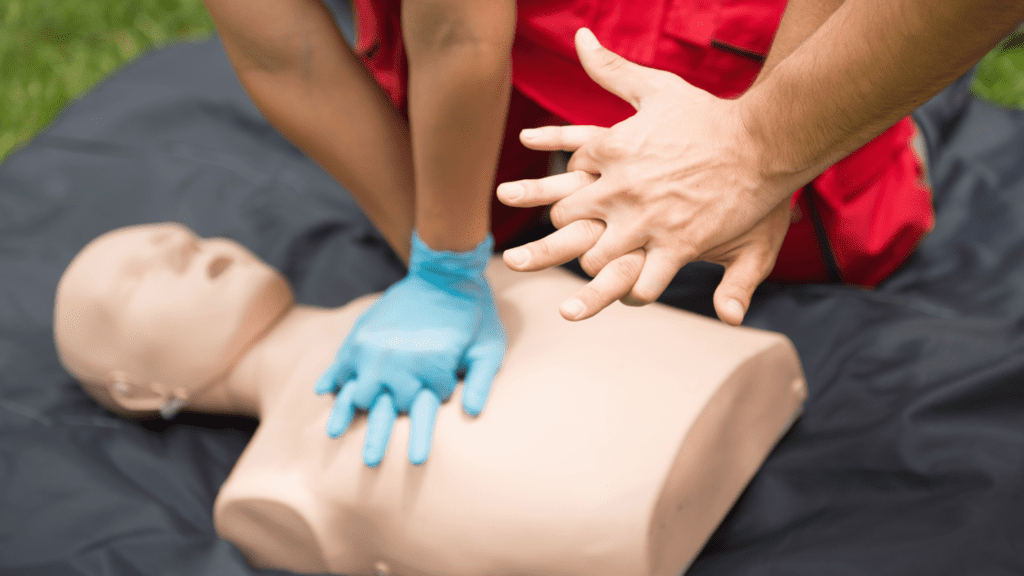
Logistics matter too. Tablets break and Bluetooth drops in noisy environments. Hardwire where you can or keep a paired device in a case with the manikin. Label your chargers. Set a monthly five minute check where someone compresses, bags, and confirms the data screen looks normal. Basic discipline avoids the sad moment when class starts and batteries die.
What good debriefs look like in a clinic setting
Debriefing has an art to it, and the numbers should serve Medical simulation equipment Canada that art, not replace it. Start with self-assessment. Ask the learner how the set felt and what they would change. Then turn to the data. Show one or two charts that confirm or challenge their sense. Resist the urge to diagnose everything in one go. If the rate was perfect but depth lagged, anchor your coaching there. If hand position drifted, demo a quick marker line on the sternum for the next set.
Keep the team piece visible. Display the chest compression fraction for the group, the number of pauses over 3 seconds, and the longest peri-shock pause. Ask the team to propose one choreography tweak they will try next time. If the proposed tweak is feasible and safe, try it live and see if the metrics improve. That immediate experiment turns theory into ownership.
Costs, value, and the Canadian purchasing reality
Budgets vary, but some reliable ranges help plan. Basic feedback torsos with visual indicators often land around the low thousands of Canadian dollars for a set of four, with individual units in the hundreds. Mid to high-fidelity adult torsos with integrated sensors and app support typically run in the 3,000 to 8,000 CAD range per unit depending on features. Full-body options or platforms with advanced airway modules push higher. Annual consumables are modest, often limited to lungs, faces, and cleaning supplies. Tablets, cases, and mounts add a few hundred dollars.
For many clinics, the best path is staged. Start with one high-fidelity unit that anchors your data-driven program, supported by a few standard torsos for throughput. Use the sensor-equipped manikin for timed audits and coaching, then rotate staff through the simpler torsos to build reps. If you share space with a hospital or paramedic service, explore a loan agreement for quarterly deep dives. Vendors operating in Canada often have rental or try-before-you-buy options, which is a low-risk way to test fit. Search terms like Medical simulation equipment Canada help surface distributors who service your province and offer on-site demos.
On value, look at outcomes you can measure locally. Reportable quality indicators might include the percentage of staff hitting target compression depth in a drill, average peri-shock pause, and the number of staff able to maintain a 60 second two-hand mask seal without leaks. Map those numbers against your resuscitation policy review cycle. The more the gear makes those numbers easy to capture, the faster you justify the spend.
Matching tools to clinic contexts
Not all clinics need the same fidelity. A physiotherapy-led sports clinic that keeps an AED for community safety has different needs than a multi-physician urgent care with on-site diagnostics. Choose a build that reflects your risk and flow.
A solo-practice or small family clinic will get strong mileage from a single adult manikin with real-time compression feedback and a basic airway head. Quarterly drills, 20 minutes each, can keep those skills alive. If your staff split time across two languages, consider a platform with multilingual app support, or post local cue cards so the on-screen coaching ties to the words you use in debriefs.
Urgent care and walk-in models benefit from higher-fidelity data and team choreography practice. Invest in a unit that shows chest compression fraction and pause metrics, and add an airway model that allows for supraglottic insertion. Run full-room drills that include calling 911, routing a stretcher through your actual hallways, and positioning the manikin where a real patient would lie. Time your response and use the manikin’s data to see where the compressions dropped off and why.
Rural and remote clinics face transport delays, which raises the importance of relentless compressions and smart ventilation. If you work with a local volunteer EMS, train together. Some Laerdal QCPR apps and similar platforms can show multiple manikins at once, which lets you run station work and compare teams. If connectivity is limited, ensure the device stores data locally and syncs later. The first time a staff member sees their compression fraction rise across a snowed-in winter, your training culture gets a lift.
Working with Prestan and Laerdal in practice
Prestan CPR manikins Canada models shine in high-throughput classes. New learners understand the green-amber-red LED language quickly, and instructors can spot rate drift from across the room. If you add the Prestan Professional Monitor, you gain numeric depth and rate readouts to support targeted feedback. Consumables are affordable and the torsos hold up to frequent setup and takedown, which suits clinics that teach before or after clinic hours.
Laerdal manikins Canada offerings pull you into richer data. Resusci Anne QCPR, for example, provides hand placement visualization and recoil sensitivity that catch nuances a human eye misses. The instructor app aggregates session data and can export reports, which reduces the friction of documenting a quality program. Smaller models like Little Anne QCPR bring much of that capability at lower cost with some compromises in realism and sensor sensitivity. Mixing one Resusci Anne with several Little Annes can strike a workable balance.
The choice is not either or. Many clinics pair a Prestan fleet for everyday drills with a Laerdal QCPR unit for audits and coaching, creating a ladder of fidelity that meets staff where they are.
Common pitfalls and how to avoid them
Several patterns undercut the promise of feedback-equipped training, and they are easy to dodge once you see them coming. First, watch the temptation to teach to the screen. If learners start chasing perfect scores at the expense of safe team choreography, pull back. The goal is real patient benefit, not a gaming high score. Second, align the manikin’s stiffness and setup to your learners. If the torso is too soft, depth becomes trivial and staff learn a false feel. If it is too stiff, smaller providers feel punished. Many systems let you adjust springs or foam inserts, and that is worth five minutes before class.
Third, do not let data sit in a phone after the session. Move key numbers to a shared tracker and celebrate improvement. Clinics that see their graph line creep upward show up to the next drill with energy, which is half the battle.
A simple data set that pays for itself
Clinics do not need complex dashboards. Four to five metrics are enough CPR supplies Canada online to manage a year of improvement without analysis paralysis.
- Average compression depth with percentage of compressions in target range. Average compression rate with percentage in target range. Chest compression fraction and longest pause. Hand placement accuracy rate. Ventilation rate and average tidal volume during BVM.
With those five, you will catch most of the slippage that happens under pressure. If your team adds defibrillation practice, layer in peri-shock pause. If you frequently care for children, keep a separate data tab for pediatric drills since targets differ.
Building a sustainable program without burning staff
Good training programs respect energy. Staff have patients to see, and not everyone loves simulation days. Short, frequent, data-driven drills outperform rare, long sessions. Aim for 15 minute bursts tied to shift starts or protected education time. Keep scenarios realistic to your clinic: a syncopal episode in the waiting room, an asthmatic teenager who stops moving during a nebulizer, a post-procedural adult with sudden apnea. Position the manikin where the patient would be, and do not pre-stage equipment that would not be pre-staged in real life.
Use instructors who know your space. If you can, include one nurse or admin who manages flow during real emergencies. They will spot the clutter on the floor, the blocked outlet, or the cabinet that always sticks, and those details improve outcomes as much as perfect rate and depth.
What improvement looks like over six to twelve months
Expect a learning curve. In month one, you might see wide spread in rates and depths and long pauses during compressor switches. By month three, the spread narrows, hands land more reliably, and the team starts talking out loud in a calm cadence. By month six, even those who dislike simulation will be quicker to call out rates and swaps. Capture those milestones in your tracker. If a staff member who struggled reaches target range consistently, name it in a staff meeting. Recognition locks in culture.
If numbers plateau, change the scenario. Add a hallway move, complicate the airway with a poor mask seal, or run the drill in triage with phones ringing. If the plateau reflects a real limit, such as a small provider struggling to hit depth, problem-solve as a team. Rotate roles, adjust stance, raise the surface height, or add a step stool. The goal is safe, reliable performance by the team, not heroics by one person.
Final thoughts for buyers and educators
High-fidelity CPR manikins pay off when they change what people do under stress. Choose equipment that fits your clinic’s realities, then build a simple rhythm of measure, coach, and measure again. If you are shopping, look at local support and distribution alongside features. Search phrases like Medical simulation equipment Canada help locate providers who service your region and can handle repairs or loaners promptly. If your focus is value, Prestan CPR manikins Canada options will carry a large share of the load with minimal fuss. If you are ready to run a data-rich program and document progress over time, Laerdal manikins Canada platforms offer depth and workflow tools that make that sustainable.
Most importantly, treat the data as a conversation with your own practice, not a verdict. When the screen says the ventilations ran hot or the pauses stretched long, it is handing you a path to stronger care for the next patient who needs you.