Sustainability in health education does not start in the operating room or on a ward, it starts in the lab where clinicians first learn safe habits. Simulation centers consume energy, generate waste, and purchase increasingly complex devices. Across Canada, from college labs in Thunder Bay to hospital-based centers in Vancouver and Halifax, the environmental footprint of medical simulation equipment is large enough to merit deliberate choices. The good news is that the same practices that reduce impact often improve reliability, lower total cost, and support better learning.
Framing the footprint of a sim center
When you put the pieces on a single ledger, five contributors dominate the environmental profile of a simulation program. The materials and manufacturing of devices. The electricity to run high-fidelity systems, compressors, and audiovisual racks. Shipping and travel for equipment and service. Single-use consumables, especially lungs, filters, and barrier devices. End-of-life handling for electronics, silicones, and PVC parts. Each of these can be measured, managed, and improved without compromising safety or educational outcomes.
The Canadian context adds a few practical twists. Provincial electricity mixes vary widely in carbon intensity. Quebec and British Columbia benefit from low-carbon hydropower, while Alberta and Saskatchewan still rely more on fossil generation. Geography matters too. A purchase routed by air to a northern community looks very different from a truck delivery between Toronto and Montreal. Extended Producer Responsibility programs for electronics operate in most provinces through EPRA, which can simplify end-of-life planning for certain devices. All of this suggests there is no one-size approach. A sustainable plan adapts to place, budget, and curriculum.
Materials, durability, and the long arc of ownership
Manikins and task trainers are blends of polymers, textiles, foams, and electronics. The environmental load is not just in how they run, but in what they are made of and how long they last. I have seen centers retire manikins not because the skin tore beyond repair, but because software support ended or a power board failed and could not be sourced. Design for serviceability becomes a major sustainability lever.
Polyvinyl chloride remains common for face skins and lungs on basic CPR trainers, while silicones and thermoplastic elastomers appear on higher-end units. PVC is durable and cost-effective, yet can contain plasticizers and complicate recycling. Silicone is more stable and can mimic tissue feel, but it is energy intensive to produce and also difficult to recycle. For a Canadian buyer, the quality of the compound and the availability of spare skins matter more than the headline material. A replaceable chest skin or airway module that can be swapped without factory service keeps a trainer out of the waste stream for years longer.
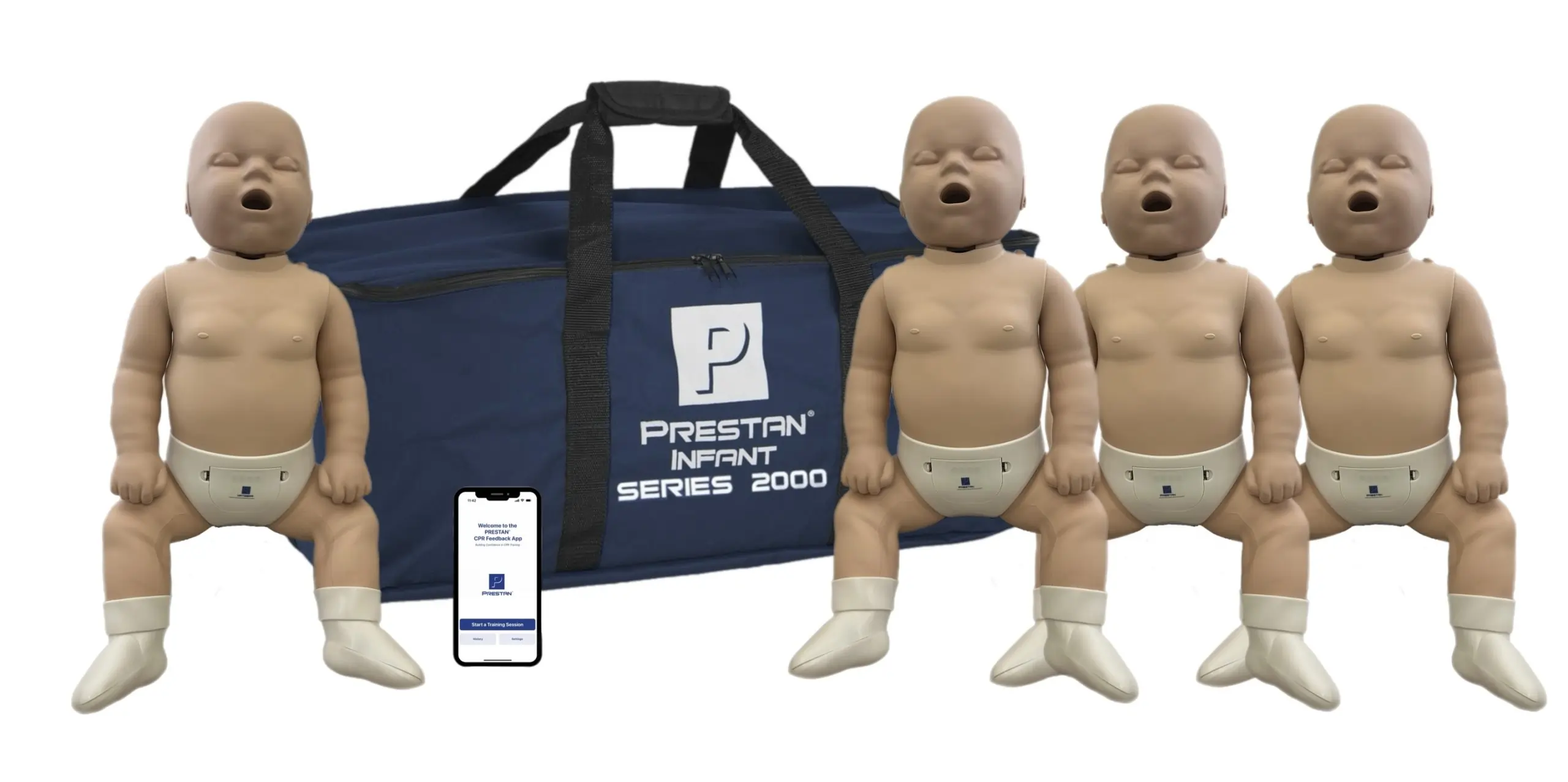
The brands frequently used by Canadian programs, such as Laerdal manikins Canada and Prestan CPR manikins Canada, now offer more modular parts than a decade ago. Chest springs, feedback sensors, and head assemblies can often be replaced with hand tools. On some high-fidelity CPR manikins, feedback electronics are upgradeable, which decouples core mechanical life from software features. When you read spec sheets, look for exploded diagrams, part numbers, and field-replaceable unit lists. Ask whether a technician in your facility can calibrate sensors after replacement, or if a unit must travel to a depot. The difference is measured in days of downtime and pounds of avoided freight.
Consumables and the infection control trade-off
Consumable waste in a busy CPR lab can surprise you. A 24-learner class with two rotations can run through 48 single-use lungs and dozens of face shields. That is a small mountain of plastic. The infection control rationale is sound, particularly for community programs and first-time learners. In clinical cohorts where learners work in assigned pairs and clean meticulously, you can shift to reusable components without compromising safety.
With Prestan CPR manikins Canada, many programs adopt a reusable lung with inline filters for cohorts, then change the lung less frequently and disinfect thoroughly between sessions. With Laerdal manikins Canada, reusable airway systems on advanced models can be paired with leak-proof filters and disinfected using low-toxicity agents. The most environmentally friendly product is the one you do not throw away after a single use. Schedule training so you batch cohorts and minimize partial-use disposals. Standardize on a short list of disinfectants that are effective against relevant pathogens and have AED training pads Canada safer environmental profiles, avoiding high-VOC sprays where wipes or diluted solutions suffice.
Airway training manikins Canada often ship with lubricants and simulated secretions that can end up as micro-waste. Choose water-based lubricants in recyclable containers, and train learners to use the minimum required for realism. Collect and segregate contaminated disposables for proper municipal handling. Where feasible, partner with your institution’s environmental services team to confirm that your discarded items are routed correctly under local bylaws. Guessing wrong can push recyclable packaging into trash or, worse, biohazard streams where it does not belong.
Energy, electronics, and the myth of the small plug load
The headline energy users in a sim center are sometimes not the manikins, but the hidden systems around them. AV racks run 24/7, battery chargers idle on walls, and compressor-driven simulators sit in standby. A modern high-fidelity patient simulator typically draws anywhere from 30 to 200 watts in operation, with far less in standby. A single rack of servers and switchers for debrief capture can pull several hundred watts continuously. Over a year, that quiet background adds up.
You do not need a building retrofit to reclaim most of this. Put simulators on smart strips with schedules that match your lab calendar, and keep chargers unplugged between cohorts. Replace halogen exam lamps in skills bays with LED task lights. If you operate in a province with a higher grid footprint, these small actions deliver a proportionally larger carbon reduction. If you lease space that lacks smart controls, a few plug-level meters will show you where to act. Do not forget ventilation. Many labs over-ventilate during off-hours which wastes energy. Coordinate with facilities to set setbacks tied to booking calendars.
Battery chemistry matters too. Some airway trainers and portable CPR devices have sealed lead-acid packs that degrade quickly if left discharged, which often sends otherwise functional units to storage. If a vendor offers lithium packs with proper battery management systems and replacement guidance, the longer life and lower mass usually outweigh the embodied impact, provided the pack is recycled under provincial e-waste programs.
Shipping and service, seen through Canada’s distances
Freight choices often dominate the early footprint of medical simulation equipment Canada purchases. Approximate figures tell the story. Ocean freight for a containerized shipment can average 10 to 40 grams of CO2 per tonne-kilometer. Long-haul trucking often lands in the 60 to 120 gram range. Air freight can exceed 500 grams, sometimes more depending on route and load. For a 50 kilogram shipment traveling 4,000 kilometers by air, you can easily generate 100 kilograms of CO2 or more. Multiply that by several manikins and you have a tangible slice of your annual footprint.
The practical move is to plan ahead. Urgent air shipments for accessories and spare parts are the real culprits. Bundle orders quarterly. Ask distributors to consolidate shipments to your region. If you are in the Atlantic provinces or the North, negotiate stocking of common spares in Canada rather than relying on overseas fulfillment, even if that means a small premium. For remote communities, a hybrid path works, with bulky items trucked or ferried to a regional hub and only the light, mission-critical components flown the last leg.
Service visits carry a similar weight. Vendor training by video, guided self-service, and regional technician pools cut travel. I have worked with centers that pair annual preventative maintenance with faculty development events for two nearby institutions, so a single flight supports multiple engagements. It takes some coordination, but many vendors will cooperate if you ask early.
Evidence from the brands you already buy
Most Canadian programs rely on a mix of basic CPR trainers and higher-end simulation platforms. On the basic side, Prestan CPR manikins Canada are popular for durability, clear feedback, and approachable price. Their design ethos, with replaceable springs and lungs, makes them good candidates for sustained use. The practical sustainability questions to pose to a Prestan distributor are simple. Can you source bulk lungs with minimal packaging. Do you have access to replacement torsos, heads, and feedback modules without sending units out of province. What cleaning regimens preserve materials without harsh solvents.
On the advanced side, Laerdal manikins Canada cover everything from Resusci series to fully integrated patient simulators. Laerdal has publicly stated sustainability goals and publishes repair and upgrade pathways for many product lines. That matters because a simulator that gains current feedback technology through a field upgrade avoids the embodied impact of a complete replacement. Look closely at skin kits, joints, and airway modules. When a model has a documented service life beyond 10 years with spares available, the environmental and financial case aligns.
High-fidelity CPR manikins with real-time feedback often incorporate sensors and Bluetooth modules. Pair them thoughtfully to avoid orphan peripherals. A pile of outdated tablets in a drawer quietly represents embodied emissions and e-waste. Standardize on a small set of mobile devices across your fleet, plan updates on a set cadence, and pass older devices to less demanding roles rather than discarding them.
Buying with a longer horizon
Sustainable procurement is practical when it fits into the RFP language you already use for warranty and service response. A few lines of text can steer a surprising share of vendor behavior without locking you into a single brand. Consider the following compact checklist when you draft your next tender or quote request.
- Publish parts catalogs with pricing, and guarantee availability of critical spares for at least eight years Offer take-back or certified recycling options in Canada for electronics and batteries, with proof of processing Provide packaging that is recyclable in Canadian municipal streams, and minimize single-use foam Detail energy draw in operation and standby, and explain any auto-sleep features Commit to minimizing air freight for routine spares, with options for consolidated ground shipments
Weight these criteria modestly, perhaps 10 to 15 percent of total score, so price and educational fit remain primary. The goal is not perfection on day one, but steady change in the market signals you send. I have seen vendors adapt quickly when buyers ask the same questions across several institutions.
Operating practices that cut impact and headaches
A center’s daily habits determine whether good procurement achieves anything. Borrow ideas from facilities management and lean operations, translated to the lab. Start with meters. A twenty-dollar plug meter will show you which devices idle high. Right-size your stock of consumables to your calendar, not to a mythical busy week that rarely arrives. If you sanitize diligently, you can safely pivot from pure disposables to a mix that reduces waste without adding risk.
A few actions pay back in the first year.
- Map your top 10 spare parts by failure rate and lead time, then stock them locally to avoid rush shipping and downtime Group maintenance by manufacturer to reduce technician travel and open up bulk part pricing Train one or two faculty as “super users” who can perform field diagnostics and simple repairs, reducing service calls Digitize operator manuals and maintenance logs to track patterns across cohorts and prevent repeat failures Retire chargers and wall warts that are incompatible or inefficient, and standardize to a small set of labeled, shared chargers
These are not glamorous moves, but they show up as fewer class cancellations, less wasted packaging, and a smaller travel footprint for service.
Measuring what matters, without an army of analysts
You do not need a full lifecycle assessment to improve. Start with three metrics that you can actually capture each semester. The number of consumables used per learner hour. Kilowatt-hours attributed to the sim suite, even if estimated from plug meters and known loads. Kilograms of freight by mode, which you can approximate from invoices and shipping labels. Put those numbers on a single page, share them with leadership, and set a goal such as a 10 percent reduction in air-freighted weight within a year. You will be surprised how quickly instructors and coordinators collaborate when the target is visible and tied to operations they control.
If your institution is advancing toward net zero targets, finance may ask for greenhouse gas accounting. Speak their language. Convert plug loads and freight into emissions using provincial or national factors. Your facilities department usually maintains these multipliers. Keep ranges rather than false precision. A transparent estimate is more credible than a spurious decimal place.
End-of-life planning that respects Canadian rules
Electronics from simulation equipment fall under provincial EPR regimes in most of Canada. Work with EPRA-participating recyclers where available, and request certificates of recycling for larger shipments of retired devices. For plastics and silicones, the path is less straightforward. Some manikin skins can be mechanically recycled, but many cannot due to mixed materials or contamination. Your best lever remains extending service life through repair and refurbishment. Where models are still useful for lower-acuity teaching, donate them within your organization to community training arms or satellite campuses, with clear notes on maintenance status and any limitations.
Batteries deserve special care. Lithium-ion packs should go to approved processors. Sealed lead-acid batteries are recyclable through common streams, but do not sit on them until they leak. Label and date every pack.
Equity and access in remote and Indigenous communities
Sustainability must work for every learner, not just those near large urban centers. A northern nursing program might face a once-a-season flight for a critical manikin repair. For these settings, ruggedness, modularity, and self-service capacity matter more than any single environmental metric. Select platforms that your local team can diagnose and fix. Stock spare skins and airway parts in the community. Schedule shared service with nearby programs, even if nearby means a few hundred kilometers. I have watched instructors hold a class together with a single fully functional airway trainer and three basic torsos when a major simulator failed. Redundancy, even in simpler gear, can prevent last-minute shipments and wasted travel.
There is also an educational justice angle. Sustainable choices that reduce costs help programs stretch budgets to reach underserved learners. If a center avoids two emergency shipments and one avoidable replacement each year, that savings can fund outreach travel or bursaries. That is a real, human benefit wrapped inside a carbon story.
Budgeting with total cost of training in mind
Traditional capital planning isolates purchase price, then buries the rest in operating budgets. A sustainable approach calculates total cost of training. Start with the equipment, then add five years of consumables, typical spare parts, expected service calls, and energy. For CPR classes, consumables can rival the initial outlay within two to three years if you rely on single-use lungs for every contact. For high-fidelity simulators, service and travel dominate. When leadership sees the complete curve, options like reusable airways or local technician training become easy approvals.
Vendors respond to this framing. Ask for a pro forma total cost over five years under your expected usage. Include freight expectations. A vendor who can supply a grounded number is usually a vendor who understands their own field reliability, which is a predictor of fewer crises in your lab.
Looking ahead without waiting
Innovation is improving the sustainability profile of simulation gear. More modular skins, better field-diagnosable electronics, and remote support tools are becoming the norm. Some airway training manikins in Canada now ship with clearly labeled, widely recyclable packaging. Feedback sensors continue to miniaturize, which lowers material use and eases upgrades. None of that absolves us from the work today. A center that tightens its freight habits, tunes its energy use, and rightsizes consumables will produce immediate gains for the environment and for learners.
I have found that culture change beats policy memos. When faculty debrief includes a 30-second note on how the session reduced waste or avoided a rush shipment through careful planning, learners absorb the lesson that stewardship and clinical excellence belong together. It shows up later in their practice, quietly but consistently.
Practical pathways for Canadian programs
The path to sustainable medical simulation equipment in Canada is neither exotic nor punitive. It is a set of choices, made early and reinforced daily, that align quality with stewardship. Focus on durable, serviceable manikins with documented spare parts. Prefer reusable airway systems and disinfectants that are effective yet environmentally safer. Plan purchases and maintenance to minimize air freight. Standardize devices and chargers to limit e-waste. Measure a few metrics you can control, then show progress.
Across a semester, these choices look small. Across a system, they are the difference between a high-performing, resilient training program and one that drops sessions due to missing parts and blown budgets. If you buy a fleet of Prestan or Laerdal units with long-lived cores and easy field service, if you treat high-fidelity CPR manikins as platforms to be upgraded rather than replaced, if you choose airway training manikins Canada suppliers who support reusable components, you will train more people, spend less over time, and send less to the bin.
Sustainability here is not a virtue signal. It is a practical strategy for doing the work better. In a country as large and varied as Canada, that pragmatism is exactly what keeps a simulation program reliable, affordable, and ready for the next cohort that walks through the door.