Every training center that teaches resuscitation faces the same tension. Cardiac arrests do not wait for neat schedules or perfect circumstances, so instructors need reliable, realistic gear ready to go on any given Tuesday. Yet that gear, especially in high volume programs, can generate a surprising environmental footprint. The good https://louistlih516.tearosediner.net/comprehensive-first-aid-oxygen-supplies-in-canada-for-clinics-and-ems news is that greener choices now exist across the spectrum of CPR and AED training equipment in Canada, and a handful of habits make a measurable difference without compromising teaching quality.
Why sustainability belongs in your training plan
CPR classrooms churn through materials. Airway lungs and face shields pile up after large courses, nitrile gloves fill waste bins, and worn torsos leave closets scented with aging vinyl. An average mid sized Canadian training provider that certifies 1,500 to 2,500 learners per year may dispose of 12 to 20 kilograms of single use plastic just from manikin consumables. Adding shipping waste and spent alkaline batteries from AED trainers pushes that number higher. Most of this happens out of sight, after the learning ends and certificates are printed.
The stakes are straightforward. If we can cut waste by a third while keeping skill performance at the same or better level, the sector saves money over the year and reduces its environmental load. The improvements do not require exotic technology. They come from choosing CPR training manikins Canada wide that are modular and repairable, reducing disposable components where safe, and planning the full equipment life cycle from purchase to end of life. It is practical work, not theory.
What makes a manikin eco friendly in practice
Marketers love green badges. Trainers need specifics. Over the last decade I have watched the most impactful features boil down to five areas: materials, modular design, consumables strategy, power and electronics, and support for refurbishment. All five affect both the footprint and the total cost of ownership across five to eight years, which is a realistic lifespan for frequently used torsos in community programs.
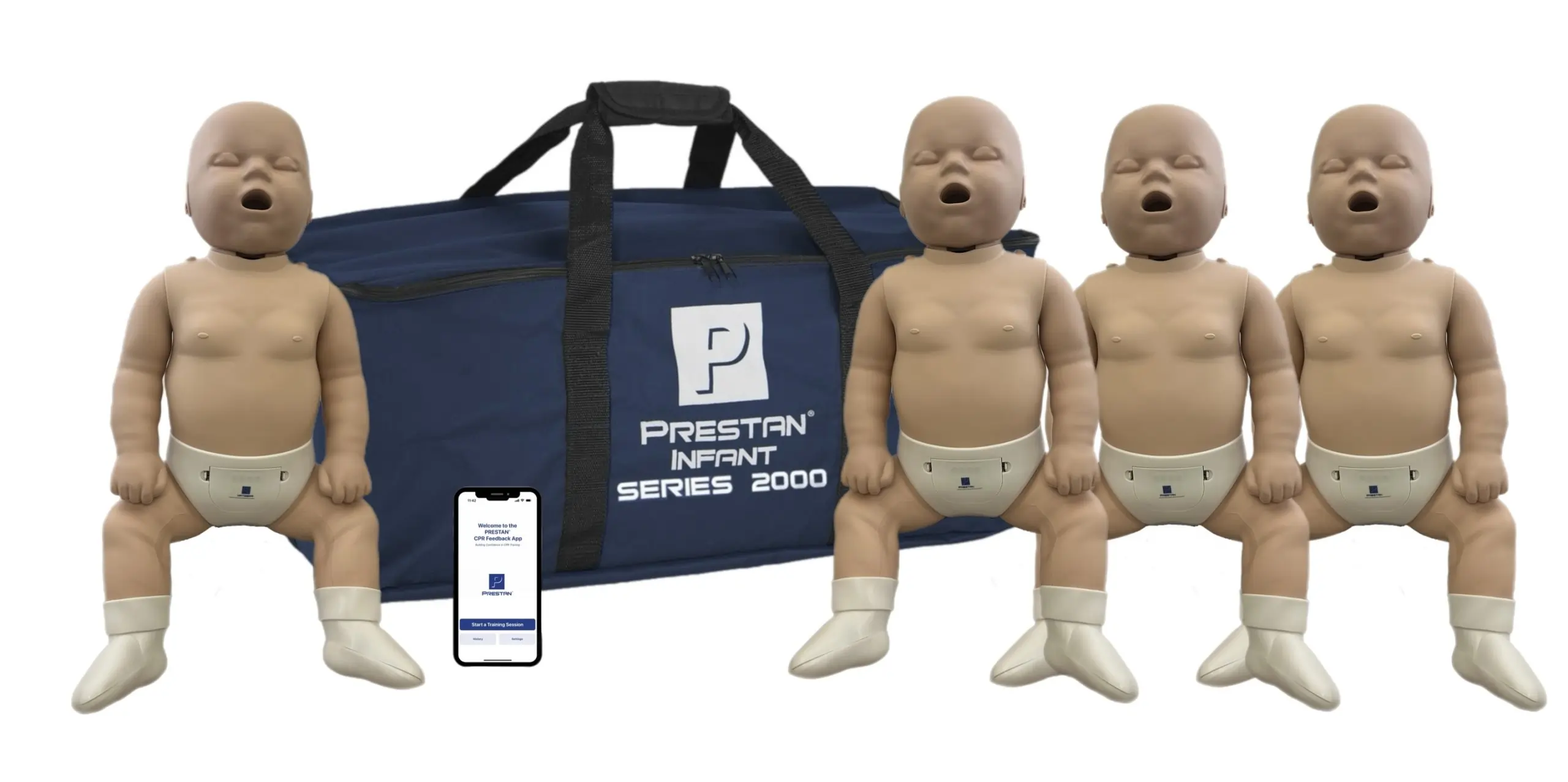
Materials matter first because they define what you can recycle later and how the manikin handles cleaning chemicals. Closed cell foams that keep shape under repeated compressions tend to last longer, which indirectly avoids landfill. Thermoplastic elastomer skins last longer than vinyl when cleaned with mild quats or diluted bleach, but they cost a bit more upfront. Rigid internal frames made of ABS or similar plastics are often recyclable through electronics and plastics streams if disassembled.
Modularity means you can replace a jaw, a spring, or a chest plate without sending the unit back across the country. When a rib spring fails during a busy recertification week, being able to swap it on a table in five minutes prevents a canceled class and avoids shipping emissions. Modular manikins also invite refurbishment, which is where the biggest sustainability win hides.
Consumables strategy is where daily waste happens. Some manikins require replacement lungs and airways per learner, others allow per session changes or reusable, autoclavable airways. Infection control standards drive the decision, yet there is usually room to reduce disposables without increasing risk. Reusable faces and cleanable airway valves, when paired with good disinfection practice, can cut plastic waste significantly.
Power and electronics become a factor once you add feedback. Many centers now favor real time compression depth and rate indicators for CPR quality. That is a positive shift for outcomes. It does add batteries, chargers, and the need to plan for end of life electronics. AED training equipment Canada suppliers have responded with rechargeable packs and USB charging, and some allow standard AA rechargeables. Choosing wisely here can cut both cost and hazardous waste.
Finally, refurbishment support separates sustainable claims from reality. A brand that lists service kits, publishes part numbers, and trains local technicians helps you keep equipment in rotation instead of in a dumpster. Ask for a written parts availability horizon - for example, a guarantee that critical parts will be stocked for at least seven years after purchase.
The Canadian context, quietly decisive
Canada’s vast geography shows up in shipping costs, delivery times, and carbon footprints. A crate sent from Ontario to Yellowknife racks up more kilometers than the same shipment within the GTA. This is not academic. Training providers in the North or on islands see higher shipping emissions per unit if they rely on frequent small orders. Consolidating shipments quarterly, or choosing distributors with western and eastern warehouses, lowers both emissions and freight bills.
Provincial rules also shape good practice. Electronics and battery recycling programs exist across much of the country, with variations in what they accept and how fees are collected. Many provinces participate in battery collection through Call2Recycle, and electronics recycling programs run under provincial authorities. Knowing your local depot options ahead of time makes it much easier to keep dead batteries and end of life trainers out of the trash. In Quebec and parts of Atlantic Canada, public collection points are easier to find than in some rural areas of the Prairies. Build your disposal plan around where your staff live, not just where the classroom sits.
Bilingual labeling and safety documentation matter too. If your center trains in Quebec or provides equipment to Francophone partners, choose vendors who supply French and English manuals for AED trainers and CPR instructor packages Canada wide. It sounds procedural, but it prevents photocopied addenda and extra shipments later.
Materials, inside and out
The torso shell and skin take daily abuse. The choices are less glamorous than app enabled feedback but they drive sustainability.
Foam core manikins with an elastomer skin tend to strike a balance between realism and durability. High resilience polyurethane foams hold compression characteristics over years if stored properly. I have seen mid range torsos maintain adequate spring back after 10,000 compressions when not left wedged at the bottom of a rolling bin. Manikins with cheaper open cell foams feel soft at first but can sag after a year of heavy use, forcing early replacement.
Skin compounds tell a similar story. TPE skins resist cracking when cleaned with diluted bleach at 1,000 ppm, common in Canadian classrooms, and they tolerate winter dryness better than vinyl. The trade off is cost. Expect a 10 to 20 percent higher price for TPE skinned torsos. If your courses run 40 weeks a year, that premium typically pays back in two to three years through lower replacement rates.
For skeletal structures and hardware, ABS plastic and stainless steel screws outlast budget alloys. This sounds obvious, yet it shows up most when you open a five year old unit and the screw heads are not stripped. Intentional design for disassembly - standard screws instead of glue, modular plates instead of fused frames - decides whether the unit can be recycled later or ends up as mixed waste.
Consumables that do not fill a bin
Here is where the daily training rhythm meets sustainability. A large blended CPR and first aid course can run with either single use lungs per learner or with reusable airways changed per session. Infection control policy drives the choice, and many Canadian organizations accept reusable components when used with barriers and surface disinfection between learners.
The biggest waste reduction typically comes from two moves. First, switch to reusable washable faces or masks on torsos used for non breathing modules, especially in basic CPR where rescue breaths are not always practiced. Second, where breaths are taught, choose manikins with easy to change airways rated for multiple sessions with disinfection. Suppliers of CPR and first aid training kits often bundle both options, which helps standardize across sites.
Some centers in colder regions noted that winter transport stresses disposable lungs, making them brittle. Reusable sets handle temperature swings better, a bonus that also reduces last minute runs to the supplier. Also consider what the consumables are made from. A few vendors now offer polypropylene airways instead of mixed polymers, which are easier to recycle in theory, though most still end up as waste because they are contaminated after use. The real win is fewer items used overall.
AED training equipment Canada, batteries, and real time feedback
AED trainers and CPR feedback devices raise training quality. Their environmental story is mixed unless you plan from the outset. Put simply, rechargeable wins most of the time, but how you implement it matters.
Choosing AED trainers that accept internal rechargeable packs avoids a steady stream of alkaline cells. Some trainers also accept standard NiMH AA rechargeables. That flexibility helps when a pack fails mid day. A classroom set of eight trainers using rechargeable AAs, replaced every three years, usually leads to fewer than 50 spent cells per year if you rotate and maintain them. The same number of trainers on alkalines can burn through 300 to 500 cells annually, depending on usage.
For manikins with compression sensors and Bluetooth feedback, look for USB C charging to standardize cables and chargers. Avoid proprietary wall warts that are hard to replace in remote sites. Ask vendors about firmware life and app support windows. If the software becomes incompatible after two years, the hardware might still function, but you will struggle to maintain a consistent program without orphaned devices.
When disposing of batteries and electronics, use established take back routes. Many Canadian municipalities accept small electronics at depots, and Call2Recycle lists drop off points for household batteries in grocery stores and hardware chains. Keep a labeled bin in your storage room for dead cells. Trainers will use it if it is visible and emptied regularly.
Cleaning, infection control, and the environmental balance
Nothing undermines a program faster than cross contamination. Any sustainable practice must live within infection control rules. The tactic is not to use fewer wipes at the expense of safety. It is to standardize disinfectants that work on Medical simulation equipment Canada your chosen materials, use measured dilutions, and reduce unnecessary single use components.
Two practical moves help. Use pump bottles and reusable microfiber cloths for surface disinfection of torsos where policy allows, laundered appropriately. This eliminates dozens of plastic canisters of wipes over a season. For centers that must use wipes or prefer the convenience, choose larger refill pouches to reduce plastic. Store disinfectants away from freezing to prevent degradation, especially in unheated vans during Canadian winters.
The repair and refurbishment ecosystem in Canada
Sustainability hinges on the ability to fix what breaks. Some Canadian distributors run in house repair benches and stock common parts - jaw hinges, torsos skins, LED modules. Others ship everything back to the manufacturer. The latter approach adds time, cost, and emissions. When evaluating CPR training manikins Canada wide, ask where repairs happen and how long typical turnaround takes. A two week turnaround in Calgary beats a two month round trip overseas.
I recommend asking vendors to demonstrate a field repair, even a simple one. Replacing a cracked face or a broken chest plate in front of you tells you whether your team can do it at scale. It also surfaces whether tools are standard. Phillips head screws and snap fits beat proprietary bits that disappear the first week.
There is also a small but growing secondary market for refurbished torsos in Canada. If your organization buys CPR instructor packages Canada bundles for new cohorts, consider mixing in a few refurbished units from accredited service shops. Done right, this stretches budgets and keeps gear in use. Insist on documented pressure testing for compression springs or sensors, and buy only from shops that provide a service warranty.
Buying strategies that reduce waste and cost
Many centers buy piecemeal when an urgent course appears on the calendar. That agility helps fill community need, but it can lock you into higher waste models. Instead, plan annual procurement around a standard kit design that favors greener options and lower logistics overhead.
For example, a community college in southern Ontario shifted from off the shelf assortments to a standard set of 12 torsos with reusable airways and USB rechargeable feedback modules. They paired this with AED training equipment Canada sourced from a distributor that stocked spares locally. Over the first year, the team cut alkaline battery purchases by 80 percent and reduced consumable lungs by roughly 60 percent by moving to per session changes. This came after a focused policy review with the college’s health and safety office. The shift was not free. They invested an extra 15 percent upfront in the manikin set and two additional charging hubs. The total spend broke even in year two as consumable orders fell.
If you run multiple sites, consider centralized kitting. Pre pack manikins, masks, lungs or reusable airway sets, and wipes into large crates that cycle between campuses. This approach reduces last minute purchases and ensures everyone uses the same consumables strategy. It also simplifies end of life tracking. When a crate returns for its annual deep clean, you log which units need parts and which are no longer economically repairable.
Shipping, storage, and end of life
Transport can be a sleeper impact, especially across Canada’s distances. Batch orders into fewer, larger shipments. Coordinate with neighboring organizations to place a combined order when it makes sense. Choose ground shipping over air when timelines allow. Ask your distributor where they ship from - a western warehouse for BC and Alberta programs often shaves both days and emissions compared to routing from Ontario.
Storage habits protect the gear you have. Keep torsos in breathable bags, not tightly sealed plastic, to prevent trapped moisture from breaking down skins. Avoid stacking heavy boxes on top of manikins, which permanently compresses foam. Small courtesies like letting equipment warm to room temperature before a winter evening class reduce condensation and extend the life of internal electronics.
End of life is where even proud sustainability plans can falter. Decide ahead of time how you will process a torso that is truly spent. Many elements are recyclable if separated - ABS frames, steel springs, cables. The elastomer skin may not be recyclable through consumer streams and often becomes waste. Document the steps in an internal guide so the process is not reinvented each year.
Classroom logistics that support greener choices
You can reinforce sustainable purchasing with simple teaching practice. A carefully controlled manikin to learner ratio reduces per person consumables. In my experience, a 1 to 3 ratio for basic CPR with alternating roles, paired with per session airway changes, keeps learning quality high and consumable use manageable. For larger public courses, set up cleaning stations and clearly assign roles - learner, compressor, observer - so that face or mask changes happen methodically, not impulsively.
For AED training, rotate scenarios to minimize unnecessary device beeps and sensor activations during setup. Some instructors leave trainers powered on between groups, draining batteries faster. Make powering down part of the routine. Over a season that habit alone can halve charge cycles.
Total cost of ownership, not just sticker price
Greener often means cheaper over the life of the gear, but not always. A premium torso may last seven years with low consumable use, beating two budget units that burn out after three years each. Yet if you train only a few classes per month, that premium might not pay back. Run your numbers honestly. Consider purchase price, consumables per course, cleaning supplies, shipping frequency, downtime risk, and end of life handling. Ask vendors to help model a five year scenario. Good ones will.
For AED trainers, compare battery strategies explicitly. Factor in replacement packs or AA cells, charger costs, and the staff time to manage them. If your instructors are volunteers, simplicity has value that does not show up in invoices. A rugged trainer with longer runtime per charge might sidestep mid course hiccups that cost goodwill.
A practical selection checklist
- Verify modularity and parts access, including a written parts availability window of at least five years. Choose reusable airway and face options that fit your infection control policy, with clear cleaning protocols. Standardize on rechargeable power for AED trainers and feedback modules, with USB C where possible. Confirm local repair capacity and typical turnaround times within Canada, preferably measured in days, not weeks. Align procurement with shipping logistics - fewer, larger ground shipments from regional warehouses.
Responsible end of life steps for manikins and trainers
- Strip and separate components where possible - plastics, metals, electronics, and elastomer skins. Recycle batteries through recognized programs and keep a classroom drop bin to collect them. Deliver electronics to municipal e waste depots or approved recyclers, following provincial guidance. Reuse salvageable parts for training props or loaners, clearly labeled, if your policy allows. Record serial numbers and disposal dates to document compliance and track future purchasing needs.
Where keywords meet real needs
If you search for CPR training manikins Canada or AED training equipment Canada, you will find dozens of options that look similar. The differences emerge when you ask about consumables, power, repair, and end of life. Emergency training equipment Canada wide is trending toward integrated kits that bundle sustainable features, but the bundles still vary. If you buy CPR instructor packages Canada for a new cohort, insist on clarity about airway reuse, charger types, and spare parts. When evaluating CPR and first aid training kits, choose vendors who can explain the full life cycle and support you after the sale.
Final thoughts from the field
Sustainability in resuscitation training is not a slogan. It is a series of practical decisions that add up. Pick manikins that you can fix at a folding table in the back of a community hall. Choose consumables that support safety without filling a bin after each class. Move to rechargeable power and track batteries like any other supply. Plan shipping so your crates spend more time in classrooms than on trucks. And when a torso is finally done, take it apart and do right by the parts that still have value.
Do this well and you will not just have greener courses, you will have sturdier programs that weather budget swings and supply chain hiccups. More classes run on time. Fewer last minute orders. Fewer bins of waste. Learners focus on compressions that save lives, which is the real point of all this effort.